2026 Interior Design Trends in Singapore
A Shift in How Interiors Are Designed
Interior design in Singapore is moving beyond aesthetics alone. As lifestyles become more layered and spaces work harder, interiors increasingly respond to wellbeing, adaptability, and lived experience. In 2026, design shifts away from visual statements and towards spaces that support how people actually live, work, and connect.
At AR-kee Design Studio, this shift reinforces our commitment to functional, story-driven interior design that creates meaningful spaces.
Biophilic Design

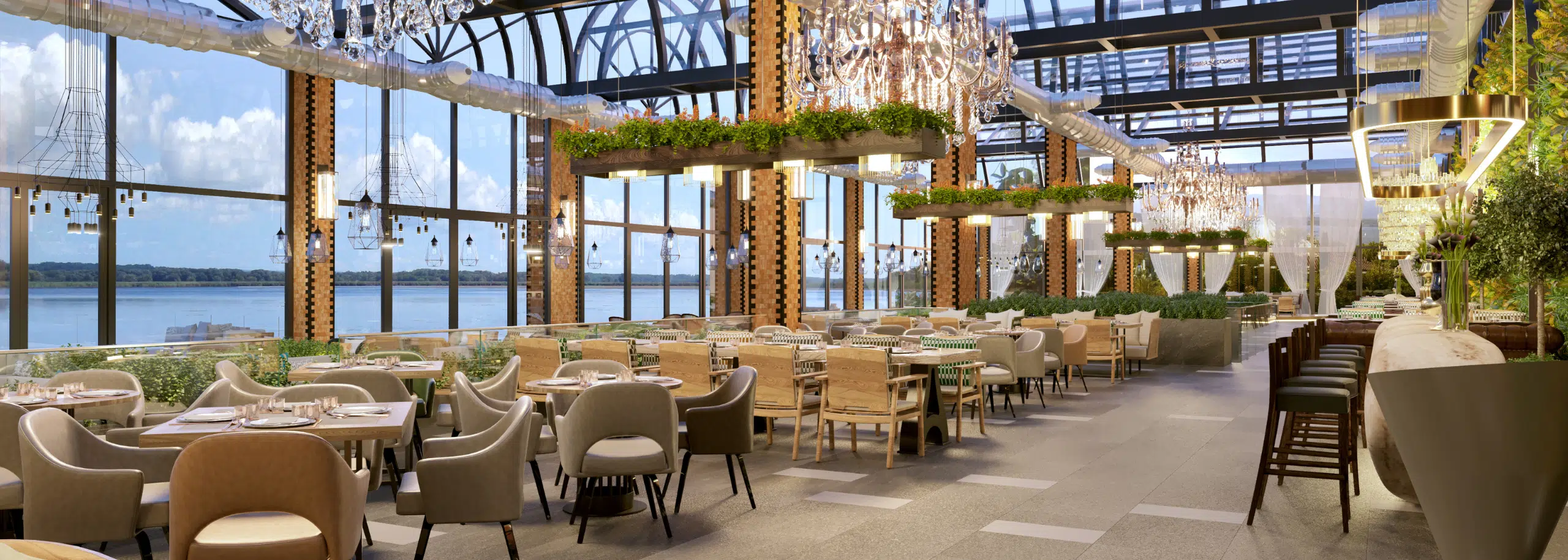
Biophilic design continues to shape interiors by reconnecting people with nature. Through natural light, greenery, and organic materials, spaces feel calmer and more restorative. In Singapore’s dense urban environment, biophilic interiors help soften daily routines, supporting focus, comfort, and emotional well-being.
Rather than treating nature as decoration, biophilic design integrates it into the spatial experience — allowing interiors to breathe and users to feel more grounded.
Natural Colour

Natural colour palettes define a quieter, more considered approach to interior design. Warm neutrals, timber tones, and stone finishes create balanced environments that feel grounded and timeless. This return to restraint reflects a growing preference for spaces that age gracefully, rather than respond to short-lived trends.
By allowing materials and light to take precedence, natural colour supports calm, clarity, and visual ease across residential and workplace interiors.
Human-Centric Design

Human-centric design begins with how people actually use space. Rather than designing around assumptions or fixed programmes, this approach curates interiors based on human movement, routine, and behaviour.
In 2026, Singapore interiors increasingly prioritise flexibility and intuition — shaping spaces that adapt naturally to work, rest, and interaction. By observing how people occupy space, human-centric design creates environments that feel comfortable, functional, and quietly supportive.
Smart Systems

Smart systems introduce responsiveness into interior spaces. From adaptive lighting to integrated controls, technology allows environments to adjust seamlessly to different activities throughout the day.
When thoughtfully integrated, smart systems remain discreet, enhancing comfort and efficiency without dominating the design. In 2026, smart interiors support choice and flexibility, responding to users rather than dictating how spaces should be used.
Looking Ahead to 2026
Together, these design movements signal where interior design in Singapore is heading — towards spaces that prioritise wellbeing, adaptability, and human experience. As expectations evolve, interiors increasingly serve as environments to be lived in, not simply styled.
At AR-kee Design Studio, we transform interiors into meaningful spaces that inspire lasting connection by creating functional, story-driven interior design. Our work begins with how people experience space, shaping environments that feel intentional, relevant, and enduring.